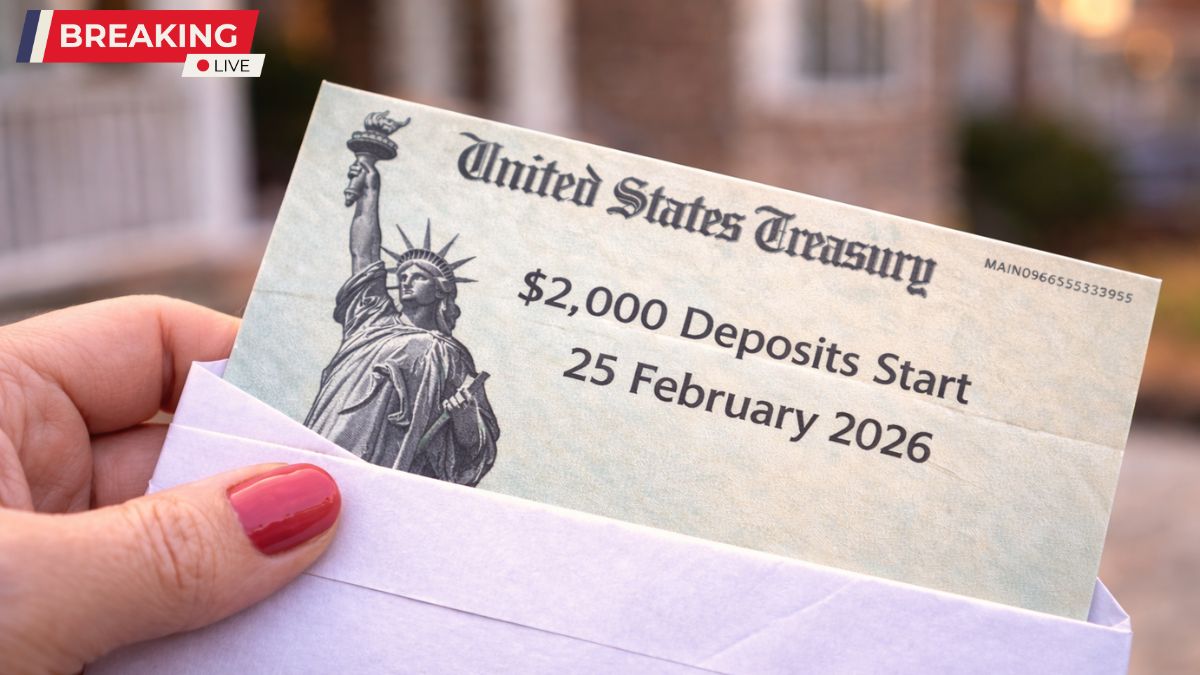
$2,000 Direct Deposit Approved by IRS: News about a $2,000 direct deposit approved by the Internal Revenue Service has gained wide public attention. For many Americans, a government payment is not simply extra cash. It can provide real support at a time when the cost of food, rent, fuel, and healthcare continues to increase. Families who are already adjusting their budgets are watching closely for official updates.
In today’s economic situation, managing monthly expenses can feel difficult even with careful planning. A one-time payment of $2,000 may not fix long-term financial problems, but it can offer short-term relief. Some households may use the funds to pay overdue rent or clear pending utility bills. Others may apply the money toward groceries, insurance premiums, or transportation costs.
Who Could Qualify for the Payment
Eligibility for this type of payment usually depends on income level and benefit status. Federal agencies often focus on low- and middle-income taxpayers when issuing relief payments. Adjusted gross income listed on the most recent tax return generally plays a key role in determining whether someone qualifies for the full amount or a reduced payment.

Individuals receiving benefits through the Social Security Administration may be considered automatically because their records are already available. This can include retirees, Supplemental Security Income recipients, and Social Security Disability Insurance beneficiaries. Certain veterans receiving payments from the Department of Veterans Affairs could also meet eligibility guidelines depending on income limits.
How the Money Is Expected to Be Sent
Most eligible individuals are not required to submit a separate application. The IRS typically uses existing tax records to send payments. Direct deposit is usually the fastest and safest method, with funds arriving in bank accounts shortly after processing. Those without bank information on file may receive a paper check or prepaid debit card by mail.
Because payments are often based on the latest tax return, it is important to ensure that personal information is correct. Updating bank details and mailing addresses can help prevent delays. Filing a recent tax return, even with limited income, supports smoother processing if payments are issued.

Staying Alert and Informed
Whenever financial relief programs are announced, scams tend to increase. The IRS does not ask for personal or banking details through unexpected phone calls, emails, or text messages. Relying only on official government sources helps protect sensitive information and prevents fraud.
Disclaimer
This article is provided for general informational purposes only. Payment amounts, eligibility rules, and distribution schedules depend on official announcements and individual tax records. Readers should confirm all details through authorized IRS sources or consult a qualified professional before making financial decisions.